
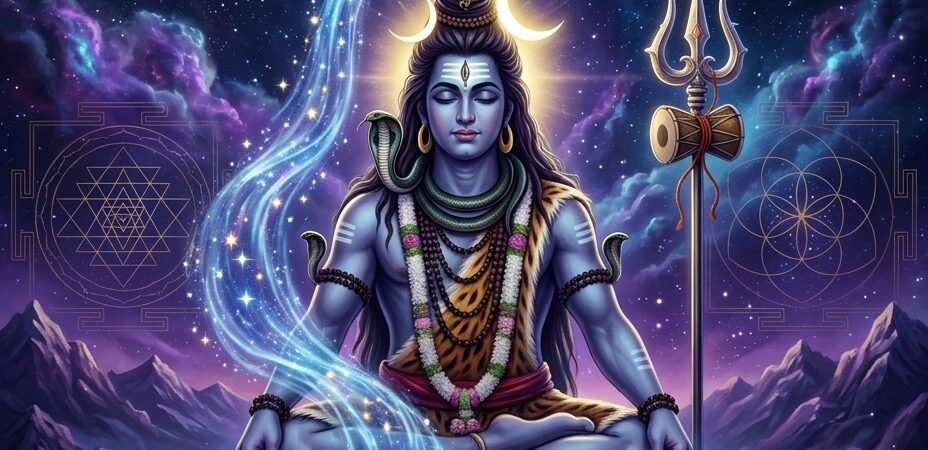
What Is the Astrological Significance of Shivratri and How Does It Affect Your Kundli?
Shivratri, meaning “the night of Shiva,” is one of the most astrologically powerful observances in Vedic astrology. Occurring every lunar month on the Chaturdashi tithi (14th day) of the Krishna Paksha (waning moon phase), Shivratri marks the night when Lord Shiva performed the cosmic Tandava dance. The most significant is Maha Shivratri, which falls in the month of Phalguna (February-March), but every monthly Shivratri carries profound astrological weight for your personal horoscope and spiritual growth.
From an astrological perspective, Shivratri is not just a religious festival—it is a cosmic alignment that directly influences the planetary energies governing your life. The waning moon on Chaturdashi tithi creates a unique energetic configuration that affects all twelve zodiac signs, particularly those ruled by Saturn (Shani) and the Moon (Chandra). Understanding this alignment helps you harness the day’s energy for personal transformation, karmic relief, and spiritual advancement.
Today is Sawan Shivratri (August 11, 2026), occurring during the auspicious month of Shravan when the moon resides in Shravana nakshatra. This specific Shivratri is considered especially potent because Shravan is Lord Shiva’s most beloved month, and planetary positions today create a rare opportunity for karmic cleansing and spiritual breakthrough.
🔱 Get Your Free Shivratri Reading on Astrova AI →
Why Does Shivratri Occur on Chaturdashi Tithi?
In Vedic astrology, the lunar calendar divides each month into two fortnights: Shukla Paksha (waxing moon) and Krishna Paksha (waning moon). The Chaturdashi tithi—the 14th lunar day—falls just before Amavasya (new moon). This positioning creates a specific astrological dynamic:
- Waning Moon Energy: The moon’s decreasing light symbolizes the release of old patterns, karmic debts, and mental afflictions. This is why Shivratri is considered ideal for breaking bad habits and overcoming obstacles.
- Chaturdashi Tithi Lord: According to classical texts like the Brihat Parashara Hora Shastra, Chaturdashi is ruled by specific planetary combinations that favor spiritual practices over material pursuits.
- Pre-Amavasya Vacuum: The energy just before the new moon creates a “spiritual vacuum” where old karma can be released and new intentions can be planted with greater potency.
This is why astrologers recommend fasting, night-long vigil (jagran), and intense meditation on Shivratri—the cosmic configuration supports inner transformation in ways that ordinary days do not.
How Does Shivratri Affect Each Zodiac Sign?
While Shivratri’s overall energy is transformative, its impact varies based on your Moon sign (Rashi) and the house placement of the Moon in your birth chart. Here’s how today’s Sawan Shivratri affects each sign:
| Zodiac Sign (Rashi) | Shivratri Impact | Recommended Practice |
|---|---|---|
| Aries (Mesha) | Mars-Shiva energy activates courage and leadership | Chant “Om Namah Shivaya” 108 times for career breakthrough |
| Taurus (Vrishabha) | Venus-Shiva alignment enhances creative and relationship energy | Offer white flowers to Shivalinga for harmony in partnerships |
| Gemini (Mithuna) | Mercury-Shiva conjunction sharpens intellect and communication | Study sacred texts or practice pranayama for mental clarity |
| Cancer (Karka) | Moon-Shiva connection intensifies emotional healing | Perform jal abhishek (water offering) for family peace |
| Leo (Simha) | Sun-Shiva alignment boosts confidence and spiritual authority | Offer milk abhishek for recognition and success |
| Virgo (Kanya) | Mercury-Shiva energy enhances analytical and service-oriented qualities | Donate food or medicine for health and prosperity |
| Libra (Tula) | Venus-Shiva balance improves relationships and aesthetics | Offer bel patra for marital harmony and creative inspiration |
| Scorpio (Vrishchika) | Mars-Ketu-Shiva combination triggers deep transformation | Meditate on the third eye for spiritual awakening |
| Sagittarius (Dhanu) | Jupiter-Shiva alignment expands wisdom and dharma | Read Shiva Purana or teach spiritual knowledge to others |
| Capricorn (Makara) | Saturn-Shiva connection dissolves karmic obstacles | Offer black sesame seeds for career stability and debt relief |
| Aquarius (Kumbha) | Saturn-Shiva energy promotes humanitarian service | Serve the underprivileged for spiritual merit |
| Pisces (Meena) | Jupiter-Moon-Shiva trine enhances intuition and moksha | Practice deep meditation and dream interpretation |
🔱 Discover Your Personal Shivratri Remedy →
What Is the Connection Between Shivratri and Planetary Transits?
Shivratri’s astrological power is amplified or modified by the planetary transits occurring on that specific day. Today’s Sawan Shivratri (August 11, 2026) features several significant alignments:
1. Moon in Shravana Nakshatra
Shravana is the “star of listening” and is ruled by Vishnu. When the moon occupies this nakshatra on Shivratri, it creates a powerful combination for receiving divine guidance. Shravana’s deity is Vishnu, its symbol is the ear, and its ruling planet is the Moon. This makes today exceptionally favorable for prayer, meditation, and receiving intuitive insights.
2. Saturn’s Current Transit
Saturn (Shani) is currently transiting Aquarius, which is its own sign and closely associated with Lord Shiva. This transit, combined with Shivratri energy, creates an opportunity to resolve long-standing karmic debts, especially for those experiencing Sade Sati or Shani Dasha.
3. Rahu-Ketu Axis
The lunar nodes Rahu and Ketu are transiting Pisces and Virgo respectively. On Shivratri, their influence is softened by Shiva’s grace, making it an ideal time to perform Rahu-Ketu shanti remedies and reduce the malefic effects of these shadow planets.
How to Perform Shivratri Puja for Maximum Astrological Benefit
Classical texts like the Shiva Purana and Rudra Yamala Tantra outline specific rituals for Shivratri that align with astrological principles:
Timing (Muhurat)
The most auspicious time for Shivratri puja is during Nishita Kaal (midnight), when the Chaturdashi tithi prevails. Today’s Nishita Kaal runs from approximately 11:45 PM to 1:30 AM IST. However, the entire night is considered sacred, and many devotees perform four separate pujas during each Prahar (quarter) of the night.
Essential Offerings and Their Astrological Significance
- Bel Patra (Bilva Leaves): Three leaflets represent the three gunas (sattva, rajas, tamas) and the three eyes of Shiva. Offering them balances all three gunas in your horoscope.
- Milk Abhishek: Milk represents the Moon and nourishment. Pouring it over the Shivalinga pacifies Moon-related afflictions in your chart.
- Honey and Ghee: These represent Jupiter and Venus respectively. Offering them strengthens benefic planets.
- Water (Jal): Represents the flow of consciousness and helps cleanse mental afflictions caused by afflicted Mercury or Moon.
- White Flowers: Associated with Venus and the Moon, they promote harmony and peace.
- White Cannabis (Bhang): In certain traditions, offering bhang to Shiva is believed to pacify Saturn and Rahu afflictions.
Fasting Guidelines
Fasting on Shivratri is not just physical—it’s an astrological remedy. The type of fast you observe should align with your chart:
- Nirjala (no water): Most powerful, recommended for those with strong Saturn or those seeking rapid karmic resolution
- Phalahar (fruits and milk): Suitable for most people, especially those with weak Moon or Mercury
- Single meal: Acceptable for beginners or those with health constraints
🔱 Get Personalized Shivratri Guidance →
What Are the Benefits of Observing Shivratri According to Your Kundli?
The benefits of Shivratri observance vary based on your birth chart, but classical texts outline universal benefits:
1. Karmic Cleansing
Shivratri is considered one of the most effective days for burning past karma. The Shiva Purana states that observing Shivratri with devotion can nullify sins accumulated over multiple lifetimes. From an astrological perspective, this means reducing the negative effects of past-life karma stored in your 8th house and the houses ruled by Saturn.
2. Planetary Pacification
If your chart shows afflicted planets—especially Saturn, Rahu, Ketu, or Mars—Shivratri remedies can pacify their malefic effects. The cosmic energy on this day is so potent that even simple offerings can resolve planetary doshas that would otherwise require elaborate pujas.
3. Spiritual Awakening
For those with strong 9th house (dharma) or 12th house (moksha) placements, Shivratri can trigger spiritual experiences and insights that accelerate your evolution. The night’s energy supports meditation, dream work, and intuitive development.
4. Relationship Harmony
Shiva and Parvati represent the divine couple. Observing Shivratri with devotion can heal relationship karma, especially for those facing delays in marriage or discord in partnerships (7th house afflictions).
5. Health and Longevity
Lord Shiva is the lord of Ayurveda and healing. Shivratri observance, particularly fasting and offering medicinal herbs, can improve health outcomes for those with 6th or 8th house challenges.
Common Mistakes to Avoid on Shivratri
While Shivratri is auspicious, certain actions can diminish its benefits or create astrological imbalances:
- Sleeping at night: The entire purpose of “Shivratri” (night of Shiva) is to remain awake and conscious. Sleeping defeats the spiritual purpose.
- Using tulsi leaves: Tulsi is sacred to Vishnu and should not be offered to Shiva. This creates energetic conflict.
- Offering broken or damaged items: Broken bel patra, stale flowers, or impure substances create negative karma rather than resolving it.
- Speaking harshly or arguing: The day’s energy amplifies all actions, so negative speech creates amplified negative karma.
- Ignoring the timing: Performing puja at the wrong time (during Rahu Kaal or inauspicious muhurat) reduces effectiveness.
How Astrova AI Helps You Harness Shivratri Energy
Astrova AI makes it easy to understand how Shivratri’s energy affects your personal horoscope:
- Personalized Kundli Analysis: Generate your complete birth chart in seconds and see exactly which houses and planets Shivratri activates for you.
- Custom Remedies: Based on your chart, Astrova AI recommends specific Shivratri practices—whether you should fast, which offerings to make, and what mantras to chant.
- Transit Tracking: See real-time planetary transits and understand how they interact with your birth chart on Shivratri and every other day.
- AI Astrologer Chat: Ask specific questions about Shivratri and your chart, and get instant, personalized guidance 24/7.
- Multi-Language Support: Access all features in Hindi, Tamil, Telugu, Kannada, Malayalam, Bengali, Marathi, Gujarati, and English.
Frequently Asked Questions
Can women observe Shivratri fast?
Yes, women can and do observe Shivratri fast. In fact, unmarried women traditionally observe Shivratri fast to find a good husband, and married women fast for their husband’s wellbeing. However, women who are menstruating traditionally do not fast or perform puja during those days, as per customary practice.
What if I cannot fast on Shivratri?
Fasting is recommended but not mandatory. If you cannot fast due to health or other reasons, you can still benefit by performing puja, chanting mantras, visiting a Shiva temple, and maintaining a sattvic (pure) mindset. The intention and devotion matter more than the physical fast.
Is it necessary to stay awake all night?
While staying awake all night (jagran) is ideal, it is not absolutely necessary. The key is to maintain consciousness and spiritual practice during the night. If you must sleep, try to wake up during Nishita Kaal (midnight) for at least a brief puja.
Can I perform Shivratri puja at home?
Absolutely. While temple worship is meritorious, home puja is equally valid. Set up a Shivalinga or picture of Shiva, perform abhishek with milk, water, and honey, offer bel patra, and chant “Om Namah Shivaya” with devotion.
How many times should I chant Om Namah Shivaya?
The minimum recommended count is 108 times (one mala). However, the more you chant, the better. Many devotees chant throughout the night, completing multiple malas. The key is focus and devotion, not just the number.
What is the significance of offering water to Shiva on Shivratri?
Water represents purity, flow, and the cleansing of karma. Offering water (especially from the Ganges) to the Shivalinga symbolizes the surrender of ego and the washing away of past sins. It also pacifies Moon-related afflictions in your chart.
Explore More Astrova Guides
- Complete Guide to AI Palm Reading — Discover what your palm lines reveal about your destiny
- Janam Kundli Guide — Understand your birth chart and planetary positions
- Daily Rashifal — Get daily horoscope predictions for your zodiac sign
- Kundli Milan & Compatibility — Check marriage compatibility through Guna Milan
- Sade Sati Guide — Understand Saturn’s 7.5-year transit and remedies
- AI Astrology — Learn how artificial intelligence is transforming Vedic astrology
About the Author
Astrova AI Editorial Team
The Astrova AI Editorial Team combines traditional Vedic astrology knowledge with cutting-edge artificial intelligence to make ancient wisdom accessible to everyone. Our content is rooted in classical texts including the Brihat Parashara Hora Shastra, Phaladeepika, Saravali, and the writings of maintained astrological traditions. Every article is reviewed for accuracy, cultural sensitivity, and practical applicability.
Published on August 11, 2026 — Sawan Shivratri
Related posts:
 Kundli Milan for Marriage: How to Check Compatibility Free — Complete Guide 2026
 How to read your own palm at home — step-by-step guide — Complete Guide 2026
 How to check your daily Rashifal using your Moon sign — step by step — Complete Guide 2026
 How to identify Kaalsarp Dosha in your Kundli — visual guide — Complete Guide 2026